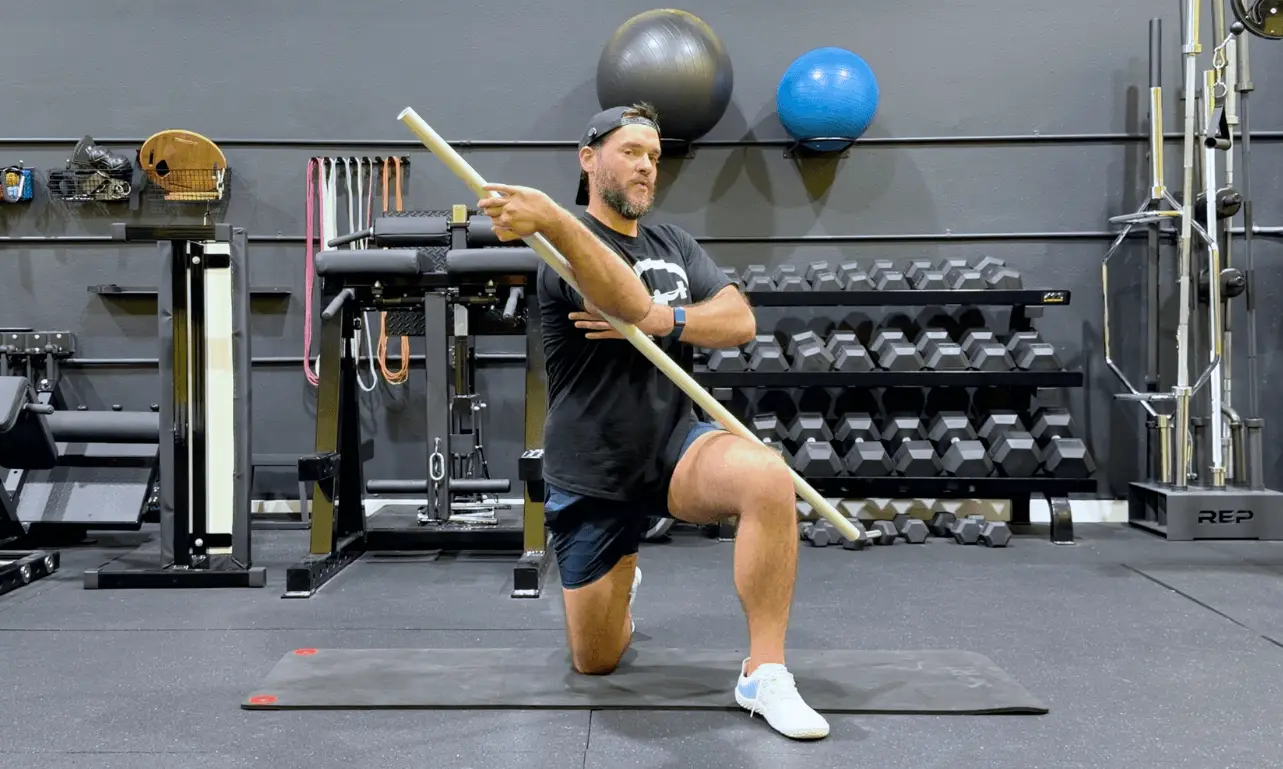
Why Shoulder Pain Is So Common
Shoulder pain is one of the most common problems people bring into a gym or training facility. It shows up in lifters, runners, desk workers, and recreational athletes alike.
For some people the problem appears during pressing movements. Others feel it during overhead work, while reaching for objects, or even during normal daily tasks like putting on a jacket.
The discomfort often feels sudden.
In reality, shoulder problems usually develop slowly. Over time the joint loses access to certain positions and the body starts working around those limitations. Other tissues begin doing work they were never designed to handle.
Eventually irritation appears.
Mobility training focuses on restoring the joint capacity that gradually disappeared.
Systems like Functional Range Conditioning approach shoulder health by improving how the joint actually moves and how much strength exists within those movements.
The Shoulder Is Built For Movement
The shoulder is one of the most mobile joints in the body. It is designed to move in multiple directions and combinations of movement.
- Flexion
- Extension
- Internal rotation
- External rotation
- Abduction
- Adduction
When those movements remain available and strong, the shoulder tends to function well.
Problems begin when the joint slowly loses access to some of these positions. The body adapts by finding alternative strategies to complete the same tasks. Over time those compensations create stress in surrounding tissues.
Mobility training restores the positions the shoulder has gradually lost and strengthens the joint so those positions remain usable.
Why Stretching Alone Rarely Solves Shoulder Pain
When shoulder discomfort appears, many people immediately turn to stretching.
Stretching can temporarily reduce tension, but it rarely addresses the real issue.
Most shoulder limitations are not simply tight tissue. The problem is often a lack of control and strength within specific joint positions.
If the body cannot control a position, it avoids using it. That avoidance leads to even more movement loss over time.
Mobility training addresses both problems simultaneously. It improves range of motion while also strengthening the joint so the body can safely use those positions again.
How Mobility Training Improves Shoulder Health
At Motive Training, shoulder mobility work begins with evaluation.
Using a Functional Range Assessment, we look at how the shoulder and surrounding joints actually move. This process reveals the specific limitations that are contributing to discomfort.
The assessment often identifies issues like:
- Rotation limitations
- Joint asymmetries
- Strength gaps within certain positions
- Movement compensations involving the spine or ribcage
Once those limitations are clear, training becomes highly targeted.
Programs may include controlled articular rotations, rotational strength work, scapular stability training, and progressive joint-strengthening drills. These inputs improve how the shoulder functions instead of simply trying to loosen it.
Why Shoulder Mobility Improves Strength Training
Many people experience shoulder discomfort during exercises like bench pressing, overhead pressing, or pull-ups.
Often the problem is not the exercise itself. The problem is the joint capacity supporting that exercise.
If the shoulder cannot rotate well or control certain positions, heavy strength work becomes stressful for the joint.
Improving shoulder mobility expands the positions the joint can control. Strength training can then reinforce those positions under load.
That is why many clients pair shoulder mobility work with structured personal training programs that gradually rebuild strength while protecting joint health.
The Role of KINSTRETCH
Group classes like KINSTRETCH provide another way to maintain shoulder health.
KINSTRETCH classes focus on controlled joint movement, rotational strength, and progressive improvements in range of motion. Instead of passively stretching tissues, the class structure teaches the body to actively control new positions.
For many clients this becomes a weekly system for maintaining mobility and preventing old issues from returning.
Consistent exposure to joint training is one of the most effective ways to keep shoulders functioning well long term.
Shoulder Pain Often Starts Outside the Shoulder
The shoulder rarely works in isolation.
Movement limitations in the spine, ribcage, or hips often influence shoulder mechanics. When those areas lose mobility, the shoulder is forced to compensate.
For example:
- Limited thoracic rotation can restrict overhead movement.
- Ribcage positioning can alter how the shoulder blade moves.
- Hip restrictions can influence overall movement patterns during lifting.
Training that restores global movement capacity can significantly improve shoulder health. Work that improves rotational strength and full-body movement patterns—like rotational movement training—often supports shoulder function as well.
Start With an Assessment
Every shoulder behaves differently.
The most effective approach begins with understanding your individual movement limitations.
A detailed Functional Range Assessment identifies the specific restrictions affecting your shoulder and helps guide a training plan designed to restore function over time.
If shoulder pain has been limiting your workouts or daily activities, mobility training provides a structured path back to stronger and more comfortable movement.
Written by

Brian Murray, FRA, FRSC
Founder of Motive Training
Motive Training is a coaching studio in South Austin built around assessment, joint health, and strength you can use. Train with us in the studio, come to a KINSTRETCH class, or work through the progressions in KINSTRETCH Online.