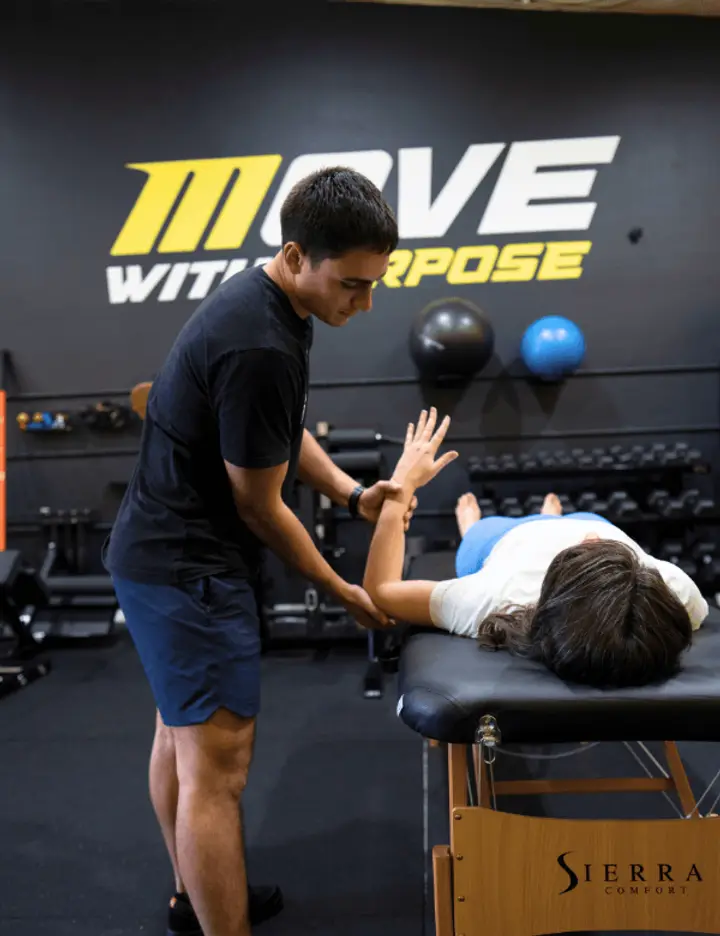
Functional Range Assessment
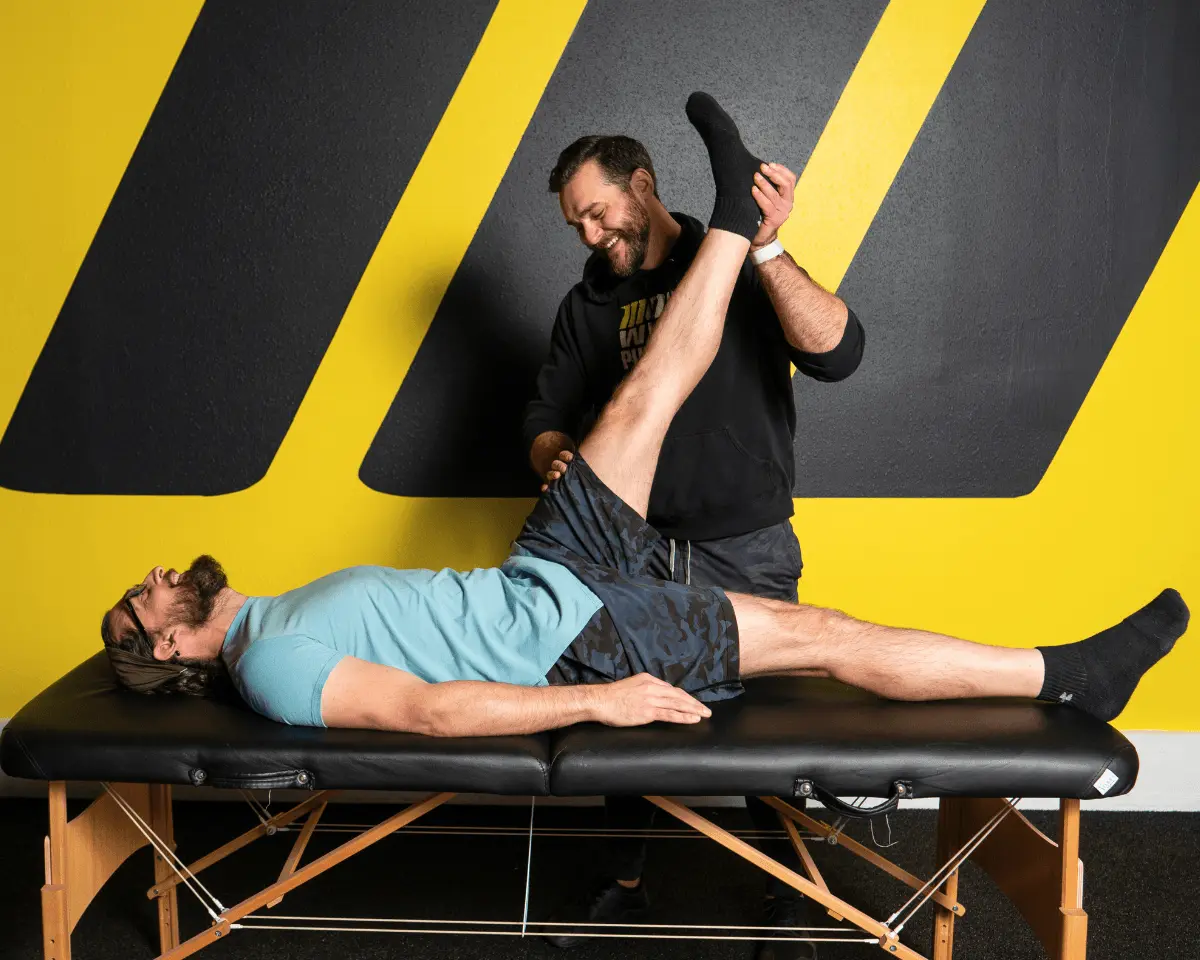
Every assessment at Motive runs on the same underlying model, a joint-by-joint measurement of passive range, active control, and the gap between the two. The 90-minute Motive Movement & Mobility Assessment uses it. So does the intake before manual therapy. That model has a name, the Functional Range Assessment, and this page is where it comes from.
No More Guessing
The model creates objective baselines for each joint: measurable starting points instead of a feeling. If something hurts or feels limited, the gap between passive range and active control is usually where the breakdown lives, and this is how we find it.
The full version, the joint-by-joint evaluation across the entire body with two follow-up sessions to walk through the data, isn’t something we book as its own visit anymore. What we do book is built directly on top of it.
01
Where It Comes From
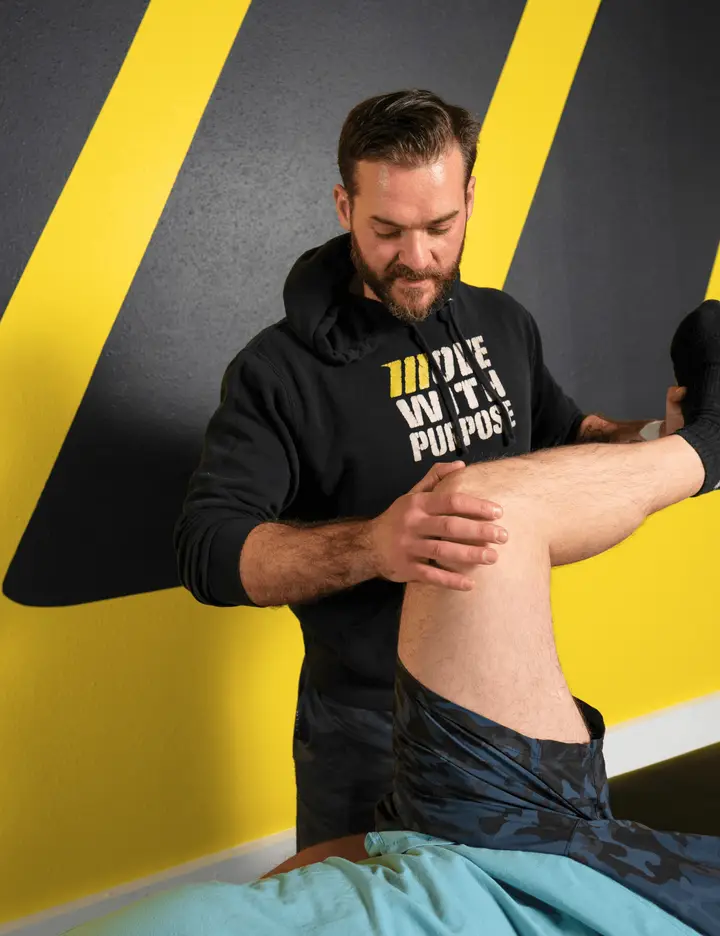
The Functional Range Assessment comes out of Functional Range Conditioning, the joint training system developed by Dr. Andreo Spina. FRC treats mobility as a control problem as much as a flexibility one. The real question isn’t how far a joint moves when someone else moves it for you; it’s how much of that range you can actually produce and hold on your own.
Most fitness assessments check a handful of movement patterns and call it done: can you squat, can you hinge. The FRA measures each joint individually instead, because the gap between passive and active range is where most people’s problems actually live, and a pattern-level screen never sees it.
02
What It Measures
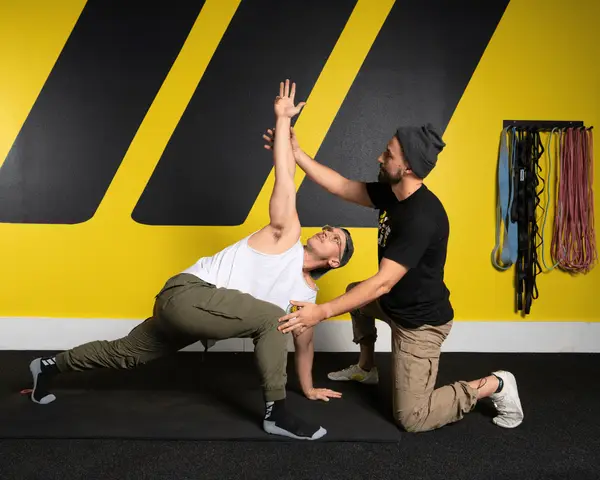
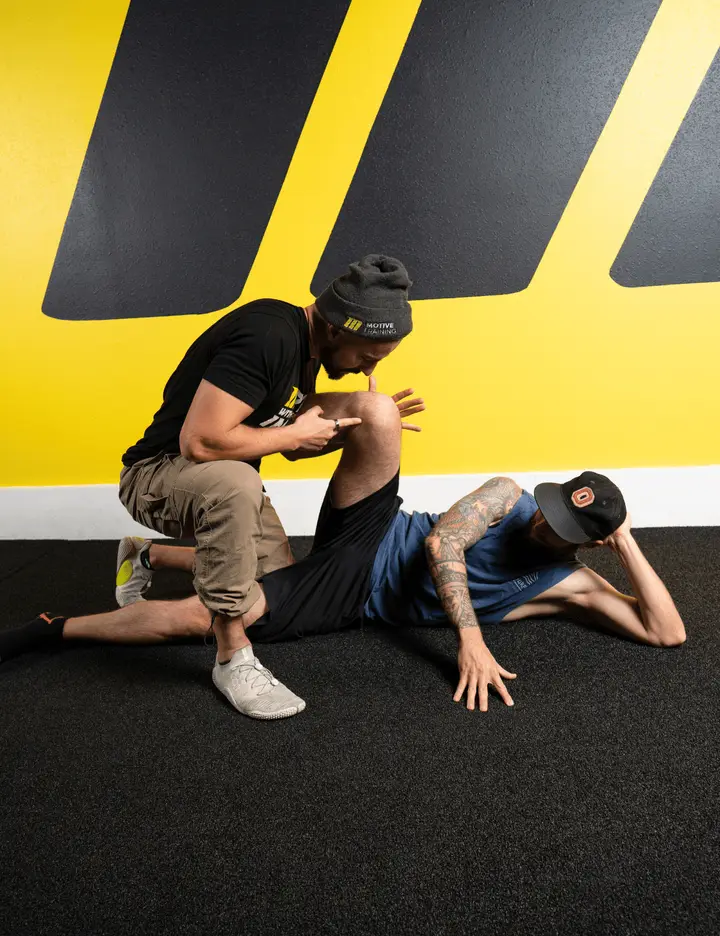
Every major joint gets assessed for three things: passive range (how far it moves when you’re not controlling it), active range (how much of that range your nervous system will actually let you use), and the gap between the two.
That gap is a control problem, and it’s where injury risk tends to live. Someone can have plenty of range available on paper and almost none of it usable under load, speed, or fatigue. The FRA is how that gets measured instead of guessed at.
03
Why the Gap Matters
A joint with plenty of passive range but limited active control is range you don’t actually own. Range you don’t own is range you can’t use well under load, speed, or fatigue, and it tends to be where compensations show up and where injuries land.
That’s why the assessment checks the joint above and below wherever someone is symptomatic, not just the spot that hurts. The complaint and the cause are often two different joints, and the gap framework is how that gets found instead of assumed.

04
How We Use It Here
Neither the Motive Movement & Mobility Assessment nor the coming-soon Manual Therapy Assessment is a shortened FRA. Each applies the same passive range, active control, and gap framework to a different problem.
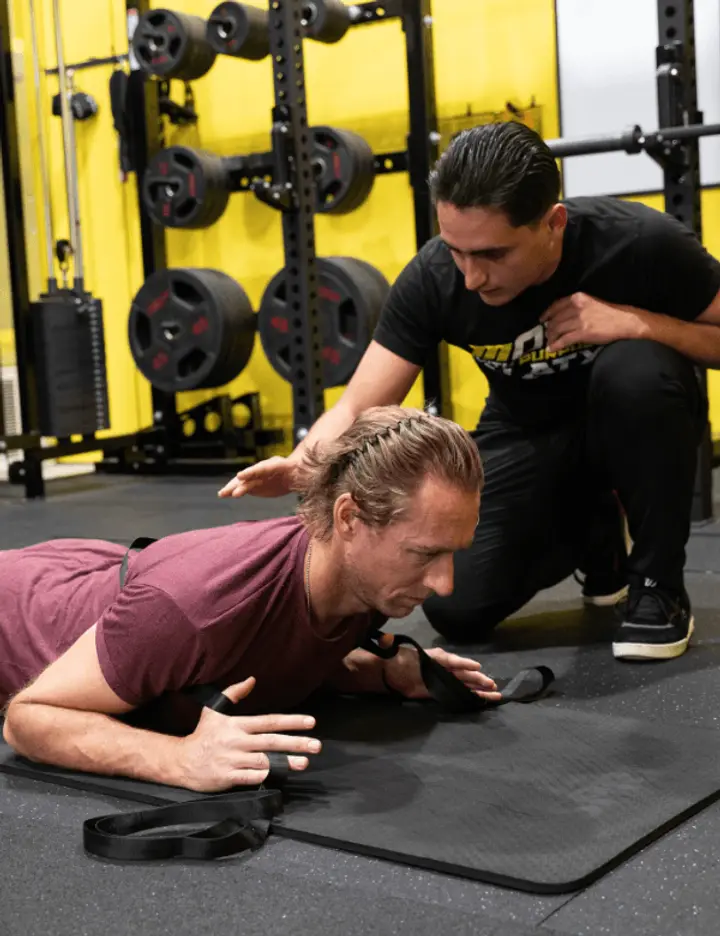
The Motive Movement & Mobility Assessment applies it to whatever brought you in, focused on the joints connected to your goals or your complaint. The Manual Therapy Assessment will apply it before hands-on work, to find exactly which tissue and joints the table time should target.
Same measurement, two different starting points.
05
Where to Start
If you’re newer to this kind of training, or you’re coming in with one specific goal or complaint, the Motive Movement & Mobility Assessment is where most people begin. A Manual Therapy Assessment built on the same model, for when pain or restriction is the main issue and hands-on work belongs in the plan from the start, is coming soon.